
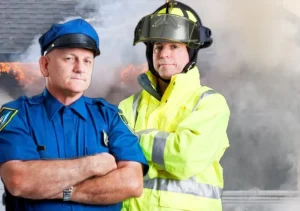
Commercial buildings require steady safety measures during unexpected fire system problems. Property owners often need trained support when alarms stop operating properly. During these situations, fire watch security Los Angeles provides active observation across important building areas. Trained personnel identify possible dangers before minor concerns become serious emergencies. Careful supervision also helps businesses maintain safer operations during temporary system interruptions.
Strengthening Safety During System Interruptions
Fire protection equipment can become unavailable during repairs or planned maintenance. Dedicated personnel maintain continuous observation until normal protection systems become fully operational again.
Regular patrols cover storage rooms, work areas plus other vulnerable sections. Clear inspection routines help staff notice smoke sources or unsafe conditions early.
Maintaining Order Across Commercial Buildings
Large properties contain several areas requiring regular attention throughout operating hours. Assigned guards follow planned routes that provide consistent coverage across important sections.
Detailed observation supports managers during equipment failures or temporary safety restrictions. Recorded findings also provide useful information for reviewing property conditions afterward.
Daily Patrol Duties Supporting Safer Properties
Organized patrol duties create dependable supervision when automatic protection equipment becomes unavailable. Guards inspect assigned sections while maintaining communication with responsible property management staff.
Clear routines reduce overlooked areas during busy periods or changing work schedules. Every inspection should follow established building rules plus local safety requirements.
- Scheduled rounds identify unusual heat sources before serious problems develop.
- Exit routes receive regular checks for clear emergency movement paths.
- Storage sections remain observed for materials creating possible ignition concerns.
- Alarm equipment receives visual checks during temporary operational system problems.
- Written logs record patrol times with accurate inspection activity details.
Reliable documentation gives property managers a clear record of completed rounds. Records may also support communication with inspectors or responsible safety officials.
Coordinated Response During Fire Risks
A clear response plan helps staff act correctly during dangerous situations. Trained guards understand reporting procedures plus evacuation responsibilities during possible fire events.
Communication remains important when several departments operate within one commercial property. Managers should establish contact procedures before temporary protection duties begin.
- Immediate reporting helps emergency teams receive accurate incident information quickly.
- Visible exits support orderly movement during urgent building evacuation situations.
- Communication procedures keep responsible managers informed about developing safety concerns.
- Patrol records provide useful details for reviewing unusual property conditions.
- Assigned observation zones reduce gaps throughout larger commercial building spaces.
Preparation should match property size plus current operating conditions. Regular communication keeps every responsible team informed about temporary protection arrangements.
Commercial Fire Watch Coverage Overview
Different property areas require different observation priorities during protection system interruptions. The following table explains common areas plus their main supervision purpose.
| Property Area | Main Concern | Observation Focus | Management Purpose |
| Storage sections | Combustible materials | Regular visual inspection | Reduce unnoticed hazards |
| Electrical rooms | Equipment heat | Frequent condition checks | Identify warning signs |
| Loading areas | Changing activity | Scheduled patrol rounds | Maintain orderly supervision |
| Exit corridors | Blocked pathways | Route inspections | Support emergency movement |
| Mechanical rooms | Operating equipment | Temperature observation | Detect unusual conditions |
| Work sections | Daily operations | Routine safety rounds | Maintain continuous awareness |
These inspection priorities help managers organize coverage around actual property conditions. A planned approach also prevents important building sections from receiving limited attention.
Common Property Safety Questions
Commercial managers often have direct questions before arranging temporary fire observation. Clear answers make planning easier while supporting responsible building supervision.
- When should commercial properties arrange fire watch coverage?Coverage may become necessary when normal fire protection equipment stops functioning.
- Do guards maintain written records during scheduled patrol duties?Yes. Patrol documentation commonly records inspection times plus observed property conditions.
- Which building sections normally receive greater observation during system problems?Higher risk rooms plus active work sections often receive closer supervision.
- Does temporary coverage replace permanent fire protection equipment inside buildings?No. Temporary observation supports safety while permanent equipment receives proper restoration.
- Should property managers create patrol routes before observation duties begin?Planned routes help provide consistent attention throughout important commercial property sections.
- What information should managers provide before guard duties begin?Building layouts plus emergency procedures help personnel understand assigned responsibilities clearly.
Safer Property Direction
Strong property protection depends on organized observation plus clear emergency preparation. Regular patrol routines allow potential dangers to receive attention before conditions worsen. Accurate records also help management review coverage while supporting responsible safety decisions. When automatic systems become unavailable, fire watch security Los Angeles can maintain focused supervision during restoration periods. Consistent planning combined with trained oversight creates dependable protection for commercial operations.