
Introduction
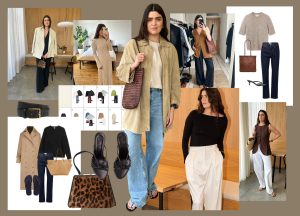
Fashion is more than following the latest trends—it’s a way to express your personality, lifestyle, and confidence. Finding your personal style allows you to create a wardrobe that reflects who you are while making everyday dressing easier and more enjoyable. Rather than constantly chasing new trends, developing your own style helps you invest in clothing you genuinely love and wear repeatedly.
This ultimate guide to finding your personal style explores practical steps to identify your fashion preferences, build a versatile wardrobe, and make confident style choices. Whether you prefer classic, minimalist, casual, or bold fashion, these strategies will help you create a signature look that feels authentic and timeless.
The Ultimate Guide to Finding Your Personal Style
Why Personal Style Matters
Personal style goes beyond appearance. It influences how you feel, how you present yourself, and even how confidently you approach everyday situations.
Benefits of developing your personal style include:
- Greater confidence
- Easier outfit planning
- Smarter shopping decisions
- Reduced wardrobe clutter
- Better use of your clothing budget
- A more authentic self-expression
When your wardrobe reflects your personality, getting dressed becomes less stressful and more enjoyable.
Understand Your Lifestyle
Your clothing should match the way you actually live.
Consider questions such as:
- Do you work in a professional office or remotely?
- How often do you attend formal events?
- Do you spend most of your time in casual settings?
- What activities fill your weekends?
Choosing clothing that suits your daily routine ensures your wardrobe is both stylish and practical.
Practical Tip
Track the outfits you wear most often for two weeks. You’ll quickly notice patterns that reveal your preferred style.
Find Inspiration
Gather ideas from multiple sources without copying someone else’s entire wardrobe.
Look for inspiration through:
- Fashion magazines
- Style blogs
- Social media platforms
- Street fashion
- Movies and television
- Celebrity looks
Save outfits that consistently catch your attention and identify common themes.
Discover Your Favorite Colors
Color plays an important role in personal style.
Start with versatile neutral shades such as:
- Black
- White
- Navy
- Beige
- Gray
Then introduce accent colors that complement your skin tone and personality.
Choosing a consistent color palette makes mixing and matching clothing much easier.
Build a Wardrobe Around Essentials
Every stylish wardrobe starts with timeless basics.
Essential pieces include:
- White shirt
- Quality jeans
- Tailored blazer
- Neutral T-shirts
- Comfortable sneakers
- Black trousers
- Classic dress
- Versatile outerwear
These items provide endless outfit combinations while remaining fashionable year after year.
Focus on Fit Over Trends
Even expensive clothing won’t look its best if it doesn’t fit properly.
Pay attention to:
- Shoulder fit
- Sleeve length
- Waistline
- Trouser length
- Overall comfort
Real-World Example
A simple white shirt and tailored jeans often look more polished than an expensive designer outfit that fits poorly. Proper tailoring can dramatically improve the appearance of affordable clothing.
Accessorize with Purpose
Accessories help define your personal style without overwhelming your outfit.
Popular options include:
- Watches
- Belts
- Scarves
- Handbags
- Jewelry
- Sunglasses
Choose accessories that complement your wardrobe rather than competing for attention.
Shop Intentionally
Avoid impulse purchases by shopping with a plan.
Before buying any item, ask yourself:
- Will I wear this regularly?
- Does it match my existing wardrobe?
- Is it comfortable?
- Can I style it in multiple ways?
Intentional shopping saves money while creating a more versatile closet.
Experiment with Confidence
Finding your style is an ongoing process.
Don’t be afraid to:
- Try new silhouettes
- Experiment with colors
- Mix classic and modern pieces
- Step outside your comfort zone occasionally
Fashion should be enjoyable rather than restrictive.
Common Mistakes to Avoid
Avoid these common style mistakes:
- Following every fashion trend
- Buying clothing that doesn’t fit
- Ignoring comfort
- Shopping without a wardrobe plan
- Choosing quantity over quality
- Comparing your style to others
Personal style should reflect your individuality, not someone else’s preferences.
Practical Tips for Developing Your Style
Follow these simple strategies:
- Build around timeless wardrobe essentials.
- Wear clothing that fits properly.
- Choose quality over quantity.
- Invest in versatile neutral pieces.
- Add personality with accessories.
- Organize your wardrobe regularly.
- Dress in a way that makes you feel confident.
Small improvements can transform both your wardrobe and your confidence.
Conclusion
Following the ultimate guide to finding your personal style helps you create a wardrobe that reflects your personality, supports your lifestyle, and simplifies everyday dressing. Instead of chasing short-lived trends, focus on quality, fit, versatility, and authenticity.
Your personal style will naturally evolve over time as your preferences and lifestyle change. By making thoughtful fashion choices and investing in timeless pieces, you’ll build a wardrobe that remains stylish, functional, and uniquely yours for years to come.
Frequently Asked Questions (FAQs)
1. How do I discover my personal style?
Start by identifying your lifestyle, gathering fashion inspiration, noticing the outfits you wear most often, and choosing clothing that makes you feel comfortable and confident.
2. Do I need expensive clothes to have good style?
No. Personal style is based on fit, confidence, versatility, and thoughtful outfit choices—not the price of your clothing.
3. How can I build a versatile wardrobe?
Focus on timeless basics, neutral colors, quality fabrics, and clothing that can be mixed and matched for multiple occasions.
4. Should I follow every fashion trend?
No. Choose trends that complement your personality, lifestyle, and existing wardrobe while staying true to your individual style.
5. How often should I update my wardrobe?
Review your wardrobe seasonally. Replace worn essentials, donate items you no longer wear, and add new pieces thoughtfully rather than shopping impulsively.